
The First Reads of Summer
Willa Cather, Alejo Carpentier, William Strunk & E.B. White, Jean Giono, and Torrey Peters

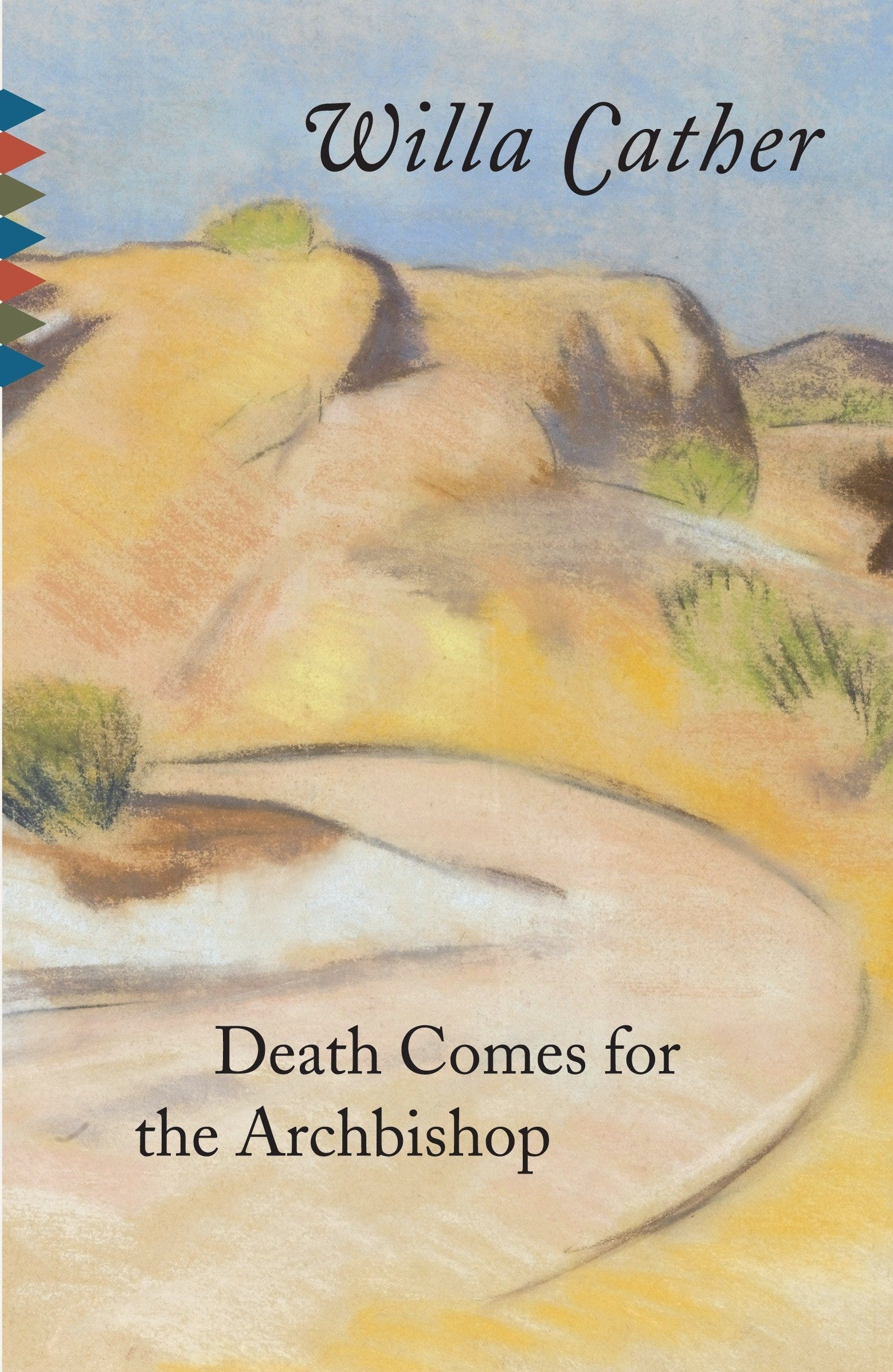
I read Willa Cather’s Death Comes for the Archbishop during a trip to Syracuse last month. It’s about a French archbishop who is charged with overseeing Catholic missionary efforts in New Mexico after the territory is usurped by the United States government. Cather’s eye is thoroughly anthropological and ethnographic, an uncomfortable tendency which threatens to get in the way of good storytelling, but by the end of each chapter (each one a vignette that could more or less stand on its own), she eventually gets around to giving us some plot and conflict.
I found the best chapters to be the ones that focused on the excesses and absurdity of the Catholic priests in the region, many of whom hold heterodox or hypocritical notions about doctrine and rule over their flocks like local caudillos. Here is one of the more bizarre examples of missionary nonsense in Cather’s New Mexico:
“Some people say he is Father Lucero’s son,” she said with a shrug. “But I do not think so. More likely one of Padre Martinez’s. Did you hear what happened to him at Abiquiu last year, in Passion Week? He tried to be like the Savior, and had himself crucified. Oh, to hang there all night; they do that sometimes at Abiquiu, it is a very old-fashioned place. But he is so heavy that after he hung there for a few hours, the cross fell over with him, and he was very much humiliated. Then he had himself tied to a post and said he would bear as many stripes as our Saviour—six thousand, as was revealed to St. Bridget. But before they had given him a hundred, he fainted. They scourged him with cactus whips, and his back was so poisoned that he was sick up there for a long while. This year they sent word that they did not want him at Abiquiu, so he had to keep Holy Week here, and everybody laughed at him.”

Alejo Carpentier’s The Kingdom of this World is about Ti Noël, an enslaved horse breeder, who bears witness to the rise and fall of various historical actors (such as François Mackandal, Pauline Bonaparte, and Henri Christophe) over the course of the Haitian Revolution. These days the book is mostly famous for its preface, in which Carpentier establishes magic realism, or lo real maravilloso, as a unique genre of the Western Hemisphere in opposition to the aesthetically bankrupt surrealism of Europe. His distaste for narrative fiction in the European tradition is fun to read, even if in expressing it he betrays some simple and paternalistic attitudes about race and mestizaje in Latin America. Carpentier’s prose is beautiful on a sentence level, even if the plot seems to lose steam or tie itself in knots in places. It probably helps to have some background knowledge about the Haitian Revolution before reading, but The Kingdom of this World is short and worth the couple hours it takes to get through it, especially for fans of magical realism, as it serves as a kind of cornerstone for an entire literary movement.
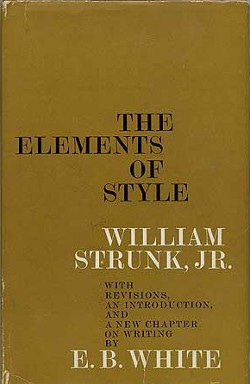
Every year or so I like to read a style guide or some other book about writing. I recently finished Strunk’s The Elements of Style, revised and updated by E.B. White. I found much of the advice and many of the edicts in here either glaringly obvious or fuddy and quaintly outdated, but every now and then I came across one that made me feel terribly exposed. This one, a bromide against the nauseating repetition of ‘little’ as a qualifier, shines a horrid light on one of my worst tendencies:
8. Avoid the use of qualifiers.
Rather, very, little, pretty — these are the leeches that infest the pond of prose, sucking the blood of words. The constant use of the adjective little (except to indicate size) is particularly depleting; we should all try to do a little better, we should all be very watchful of this rule, for it is a rather important one and we are pretty sure to violate it now and then.
For a more contemporary, and perhaps more forgiving, style guide, there is always Dreyer’s English, by Benjamin Dryer, the copy chief at Random House.
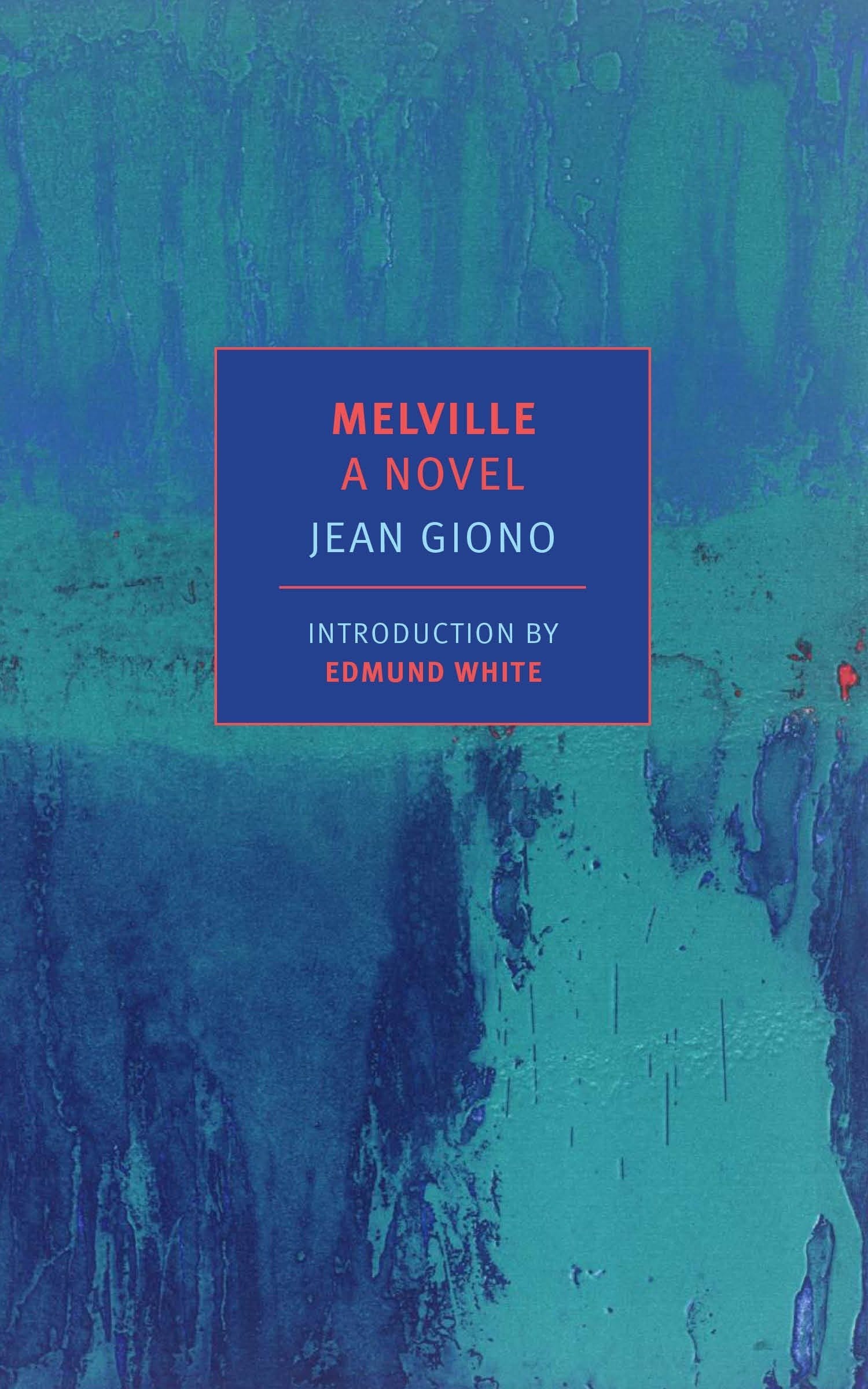
Jean Giono’s Melville is a strange, hallucinatory novella about the moment in Herman Melville’s life when, during a trip to England, he received the divine inspiration that precipitated the writing of Moby Dick. The story mainly consists of Melville riding around in a carriage and having a meet-cute with a woman who smuggles supplies into Ireland. According to Edmund White’s introduction, Melville was nothing like how Giono describes him here. The gregariousness and easy charisma of the book’s protagonist, he argues, are traits found in Whitman rather than Melville. I’m not too familiar with the work of either of them, and I obviously don’t know them personally, so I didn’t let this stop me from enjoying the book.
A few entries ago, I mentioned that Henry James was a terrific writer of decor and the built environment. I believe I praised the way he describes wallpaper, or the way a shadow crawls along a wall. From what I gather, Jean Giono is celebrated by many for his ability to write nature and paint vivid landscapes with his pen. I could read Giono describe a dreary English fog for ages.

The last book I finished was Torrey Peters’s Detransition, Baby, about a trans woman named Reese, whose ex, Ames, has detransitioned and impregnated his boss, Katrina. Ames feels conflicted about parenthood in general and fatherhood specifically, so he convinces Katrina and Reese to consider a co-parenting situation between the three of them, both to ensure their future baby is properly cared for and also to ameliorate the feelings of dysphoria the pregnancy has exacerbated for Ames.
The book spends a lot of time thoughtfully considering the limits divergent experiences impose on empathy. It’s also darkly comic without teetering too far into that kind of vicious irony that devours all meaning and sentiment.
I recently listened to an interview with Torrey Peters in which she discusses the flak she has received, often from other trans and queer writers and critics, for operating in the inherently reactionary medium of the bourgeois social novel. She accepted the critique as valid, but responded that more avant-garde works that represent the transgression of binaries mimetically, by breaking down the boundary between poetry and prose for instance, often feel incredibly limited to her, and that there should be room enough for both kinds of writing. It seemed such a sensible answer and I found myself agreeing with her, despite my predilection for bizarre, plotless novellas that play with form.
Lately I’ve been thinking of books like Detransition, Baby as resembling brick houses. They are these solidly-built novels of 250 to 400 pages, often filled with flawless, gorgeous writing, but not particularly interested in formal invention. Their plots are usually quite grounded, with no whiffs of genre beyond realist literary fiction. The central conflict usually occurs between family members or two or more people who are falling in our out of love. It’s the bourgeois novel, in essence, but only the good ones are brick houses. There is a comfort in reading and inhabiting something a bit predictable but structurally sound. The bad ones are probably Ryan Homes. They are boring and the roof will leak within five years.